Go to any pharmacy in Pakistan, and you’ll see vitamin C supplements stacked up everywhere. Tablets, sachets, chewables, effervescent drinks: everybody is selling vitamin C supplements these days, claiming them to provide immunity, energy, and health benefits.
But one thing that still lingers in every mind is:
Do vitamin C supplements really help, or is this just marketing hype?
If you search trends, you’ll see that many people in Pakistan talks about which is the best vitamin c supplement in Pakistan, vitamin c sachet benefits, can vitamin c boost immunity, vitamin c daily use benefits
This tells us one thing: people want vitamin C, but they’re not aware of how vitamin C actually works. The truth is, vitamin C is one of the most researched nutrients, but its benefits are not really understood.
Vitamin C, also known as ascorbic acid, is a very important vitamin. The human body cannot synthesize it. The body cannot store it in large amounts for a long time either. This implies that the body must at all times take in vitamin C through the following sources:
Vitamin C is involved in the regulation of the body in the following ways:
Because of the above roles, a deficiency in vitamin C affects different body parts.
In theory, one would obtain adequate vitamin C through a balanced diet. In practice, however, this is not always true. There are many factors related to lifestyle that affect vitamin C intake levels in Pakistan.
Despite Pakistan’s fertile land, which enables the cultivation of many fruits, many citizens do not have adequate fruits and vegetables in their diet.
When people experience high levels of stress, their body’s oxidative activity is high. To reduce this, antioxidants such as vitamin C help to counteract this activity.
During flu season, many people take vitamin C to boost their immune system.
Drinking tea, skipping meals, and eating too much fried food may have a negative impact on one’s nutritional intake.
Because of these factors, many people take vitamin C supplements.
Something needs to be understood clearly. Vitamin C supplements do not function like medicine that cures disease instantly. Rather, vitamin C supplements help the body’s natural physiological processes.
Here are some of the main ways vitamin C supplements help your body
Vitamin C and the immune system are closely linked. Vitamin C is used by the immune system for several important functions. One such function is the protection of the immune system itself from oxidative stress.
Vitamin C is required in adequate amounts for the efficient functioning of the immune system. This does not guarantee the prevention of all infections. What it does guarantee is the support of the body’s own natural defense system
Pollution, smoking, stress, and an unbalanced diet are all part of our day-to-day lives. These factors contribute to the formation of molecules called free radicals in the body. These free radicals are known to cause damage to normal cells. Vitamin C acts as an antioxidant and protects the cell from the effects of free radicals.
Collagen is a protein that is required for the health of the skin, joints, blood vessels, and connective tissues. Vitamin C is important for collagen production. Without vitamin C, the human body cannot produce collagen.
Thus, vitamin C is commonly associated with the following health benefits:
Vitamin C is commonly associated with energy production in the human body. Although it is not as effective as caffeine in supporting energy production, vitamin C is important in the metabolic process required for energy production in the human body. When vitamin C is deficient in the human body, some people may lack energy.
Vitamin C is important in the absorption of iron in the human body. This iron is referred to as non-heme iron. When an individual is consuming plant-based meals in large quantities, vitamin C intake is important for iron absorption in meals.
Although severe vitamin C deficiency is not common today, mild deficiency is possible.
Possible signs include:
These signs may be caused by a number of reasons, but they may also be caused by low
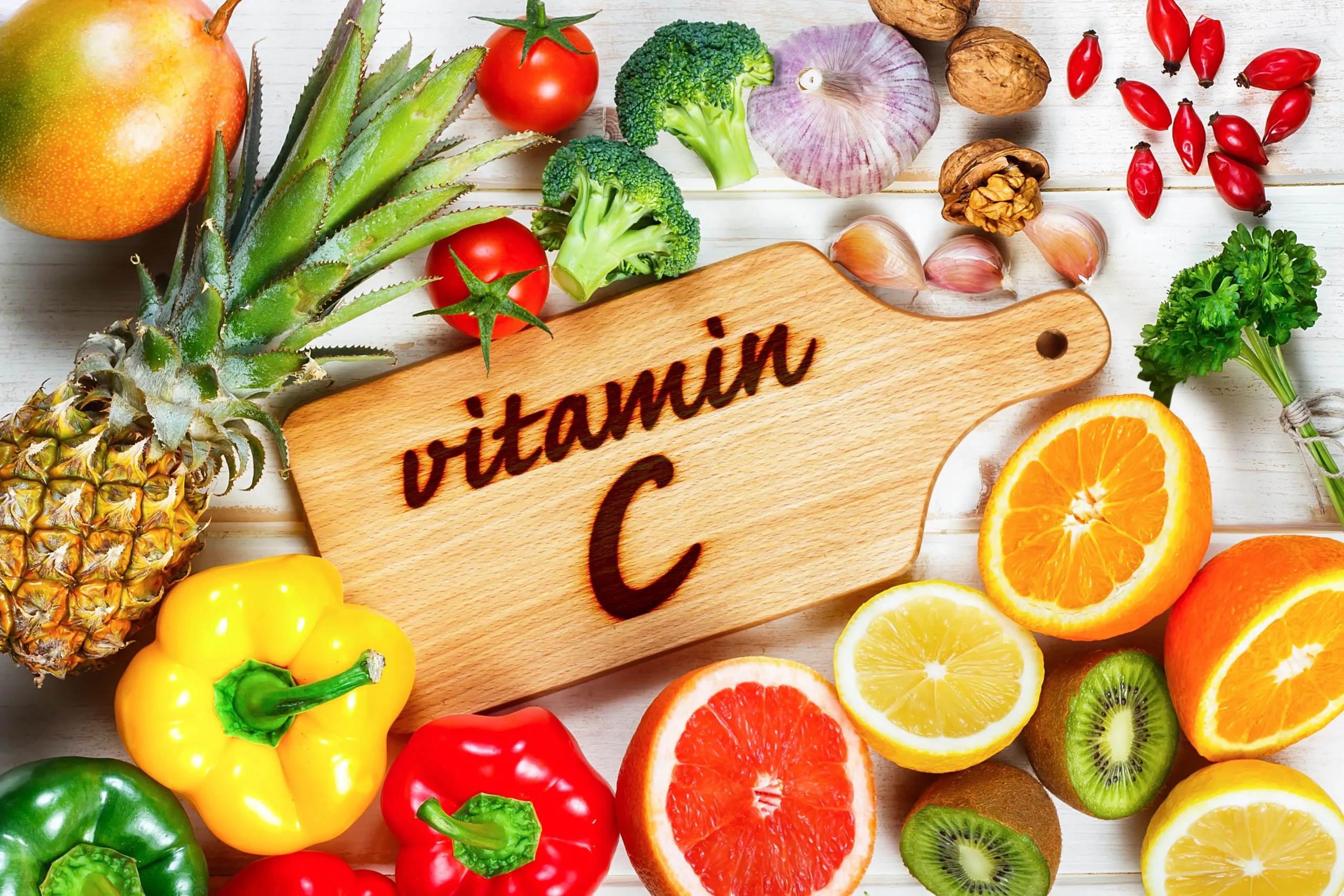
It is a good idea to know the food sources of vitamin C before relying on supplements. The common food sources of vitamin C include:
These food sources of vitamin C should be included in the regular diet. However, it is not the same for everyone. The dietary habits of people differ. This is the reason why vitamin C supplements are used.
The following comparison explains how food and supplements contribute to vitamin C intake.
| Source | Advantages | Limitations |
| Fruits and vegetables | Natural nutrient package | Intake may be inconsistent |
| Vitamin C supplements | Consistent dosage | Should complement diet |
| Vitamin C sachets | Convenient daily intake | Still requires balanced diet |
For many people, a combination of diet and supplementation works best.
Vitamin C supplements are useful for people who:
For instance, vitamin C in the form of sachets is popular because it is easy to consume and allows for the controlled amount of vitamin C that the body needs. These supplements are popular among people who prefer an easy way of taking vitamin C.

Vitamin C is considered safe when used in adequate amounts. Since vitamin C is a water-soluble vitamin, taking more than the required amount will result in the excretion of the vitamin through urine.
However, taking extremely high doses of vitamin C may lead to:
Therefore, it is important to use the recommended amount
So, do vitamin C supplements really work?
Vitamin C supplements do really work if taken correctly, as they can help to maintain adequate vitamin C levels in the body, which can then support important functions such as immune function, antioxidant functions, and collagen synthesis, to name a few. However, it is also important to understand that supplements should not substitute a healthy diet.
.