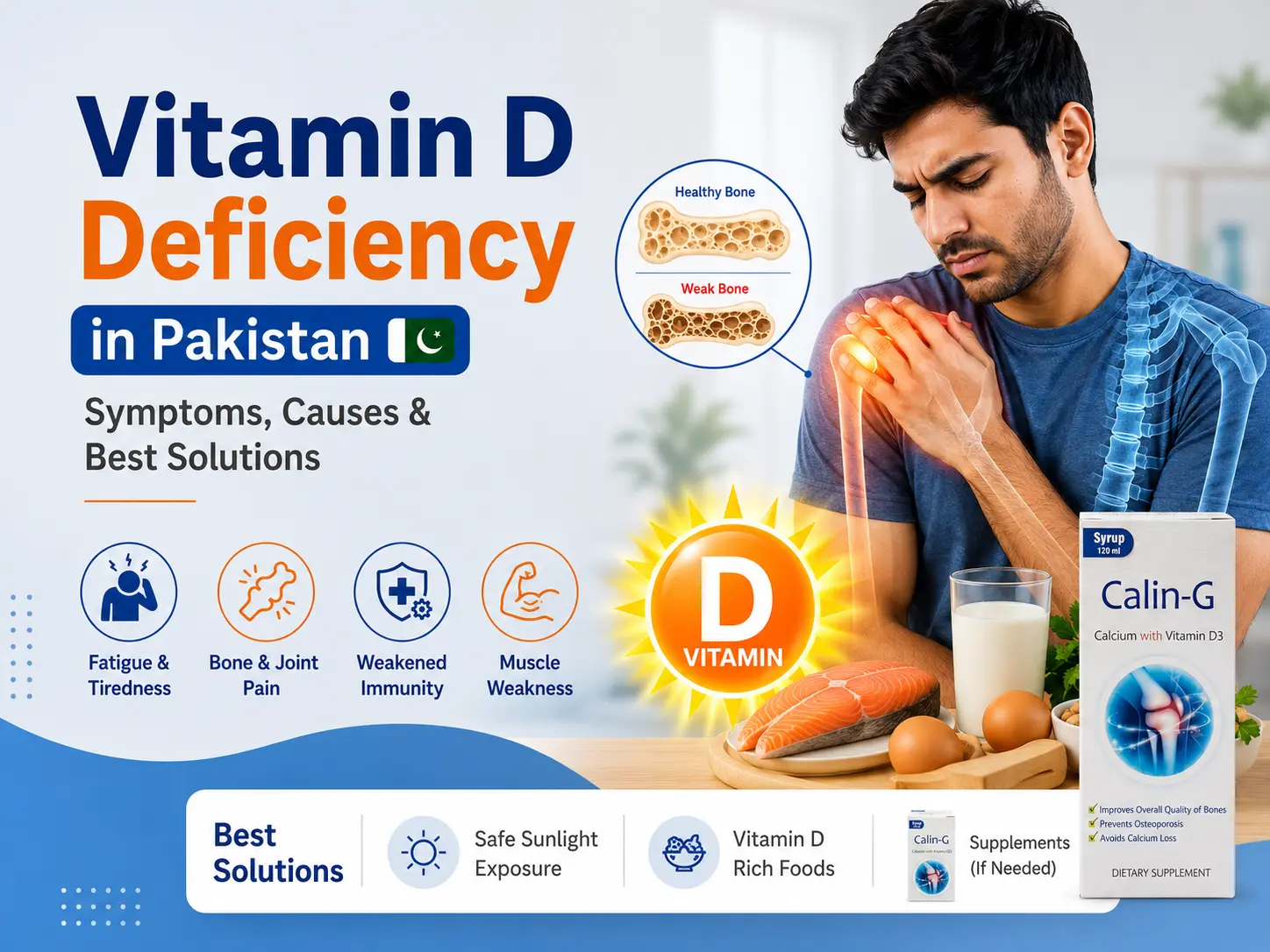
Spending most of the day indoors, avoiding direct sunlight, and relying on a typical desi diet these are common lifestyle patterns in Pakistan. But what many people don’t realize is that these same habits are quietly leading to one major health issue: vitamin D deficiency in Pakistan.
Despite living in a country with abundant sunlight, a large portion of the population has low vitamin D levels. The problem is not the lack of sun, it’s how little exposure we actually get. Over time, this deficiency starts affecting energy levels, immunity, bones, and even mood, but the symptoms are often ignored or mistaken for routine fatigue.
Vitamin D plays a much broader role than most people think. It is essential for calcium absorption, which directly impacts bone strength, but its function goes beyond that. It supports muscle health, helps regulate immune responses, and contributes to overall physical and mental well-being.
When vitamin D levels drop, the body struggles to maintain these functions efficiently. This is why people with deficiency often feel low on energy or experience frequent health issues without an obvious reason.

One of the main reasons vitamin D deficiency goes unnoticed is that its symptoms develop gradually and are often confused with everyday tiredness or stress.
Some of the most commonly observed symptoms include:
In children, the signs can be slightly different, such as delayed growth, weak bone development, or general irritability. These symptoms may seem minor at first, but over time they can affect overall health and daily functioning.
Vitamin D deficiency in Pakistan is largely driven by lifestyle and environmental factors rather than a complete absence of sunlight. Even though sunlight is available, daily routines prevent proper exposure.
All of these factors combined make vitamin D deficiency a widespread issue across different age groups in Pakistan.
Biotin deficiency is not very common, but when it occurs, it can affect hair , skin and nails.
Some signs that may indicate low biotin levels include:
If these symptoms appear together, especially with ongoing hair issues, biotin deficiency may be a contributing factor.

If left unaddressed, low vitamin D levels can gradually impact multiple aspects of health. It is not just about feeling tired, the effects can become more noticeable over time.
In severe cases, it can also contribute to bone-related conditions, particularly in children and older adults.
Managing vitamin D deficiency requires a combination of lifestyle adjustments and, in many cases, supplementation. Relying on just one method is often not enough, especially when deficiency is already present.
Regular exposure to sunlight is the most natural way to improve vitamin D levels. Ideally, spending 15–30 minutes in the sun several times a week can help, particularly during morning hours.
Including vitamin D-rich foods in your diet can support your levels over time. Common sources include:
However, diet alone is often not sufficient to correct a deficiency.
In many cases, supplementation becomes necessary, especially when symptoms are already present or dietary intake is inadequate.
Vitamin D supplements in Pakistan are available in different forms such as tablets, capsules, and drops. They help restore optimal levels more effectively when taken in the correct dosage
There is no single solution that works for everyone. The right approach depends on the severity of deficiency and lifestyle factors.
Condition | What Works Best |
Mild deficiency | Sun exposure + diet improvement |
Moderate deficiency | Diet + regular supplementation |
Severe deficiency | Medical consultation + high-dose supplements |
For many individuals in Pakistan, combining sunlight with supplements provides the most consistent results.
When natural intake and sun exposure are not enough, supplements offer a practical solution. Products designed as vitamin D supplements in Pakistan can help maintain consistent levels, especially for individuals with limited outdoor exposure or ongoing fatigue.
Choosing the right supplement depends on dosage, form, and individual needs. Consistency is key, as vitamin D levels improve gradually over time rather than instantly.

Improving vitamin D status does not require drastic changes, but consistency matters.
Small adjustments in daily routine can make a noticeable difference over time.
Vitamin D deficiency in Pakistan is more common than it appears, mainly due to lifestyle habits and limited sun exposure. While the symptoms may seem mild initially, they can gradually affect energy, immunity, and overall health.
Understanding the causes and taking the right steps whether through sunlight, diet, or supplements can help restore balance and improve well-being. Addressing the issue early is always easier than managing long-term effects later.
It is very common across all age groups due to limited sun exposure and dietary gaps.
Symptoms like fatigue, body pain, and frequent illness may indicate deficiency, but a blood test confirms it.
In mild cases, yes. However, moderate to severe deficiency usually requires supplements.
Yes, when taken in recommended doses. It is best to follow proper guidelines.
It may take a few weeks to a few months depending on severity and consistency.
Visit vitshub.pk to explore one of Pakistan’s best supplement collections, carefully selected to support every fitness, health, and wellness goal.