

Understanding Seasonal Illness Temperature Shifts in Pakistan
Living in Pakistan means facing extreme weather. We move from 45°C summer heat to chilling, dry winters, often covered in heavy agricultural smog. These rapid changes stress the human body. When you step out of a heavily air-conditioned room directly into humid monsoon heat, or face the dry, cold winds of December, your immune defenses weaken. This guide explains the exact physical reasons why you get a sore throat, cough, or fever during these weather transitions, and what practical steps you can take at home to stay safe.
Why do seasonal illness temperature shifts make us sick?
Seasonal illness temperature shifts do not create germs. Instead, sudden cold and dry air dries out the sticky mucus in your nose and throat. This mucus usually traps viruses. When it dries up, germs easily bypass your primary defenses. Additionally, viruses survive much longer in cold, dry Pakistani winters, making infections spread faster.
Pakistani Weather Stressors: A Quick Comparison
Weather Factor | What Happens in the Body | Health Result |
Winter Smog (PM2.5) | Dust and smoke irritate lung tissue. | Immune system gets exhausted fighting pollution, allowing viruses to attack. |
Sudden Cold Drops | Blood vessels in the nose shrink. | Fewer white blood cells reach the nose to fight germs. |
Dry Indoor Heating | Nose and throat lose moisture. | Dry cough, sore throat, and easily trapped viruses. |
AC to Extreme Heat | Rapid body temperature confusion. | Physical stress and mild dehydration. |
How Dry Air Paralyzes Your Defenses
Cold winter air holds very little moisture. When this dry air enters your home or office, it pulls moisture directly from your body. Your nose and throat rely on a wet, moving layer of mucus to wash away trapped dust and germs. When the air humidity drops below 30% , common during Pakistani winters this mucus dries up. The tiny hairs inside your nose stop moving. Without this physical sweeping action, inhaled germs sit perfectly still on your throat tissues, eventually causing an infection.
The Impact of Punjab Smog on Immunity
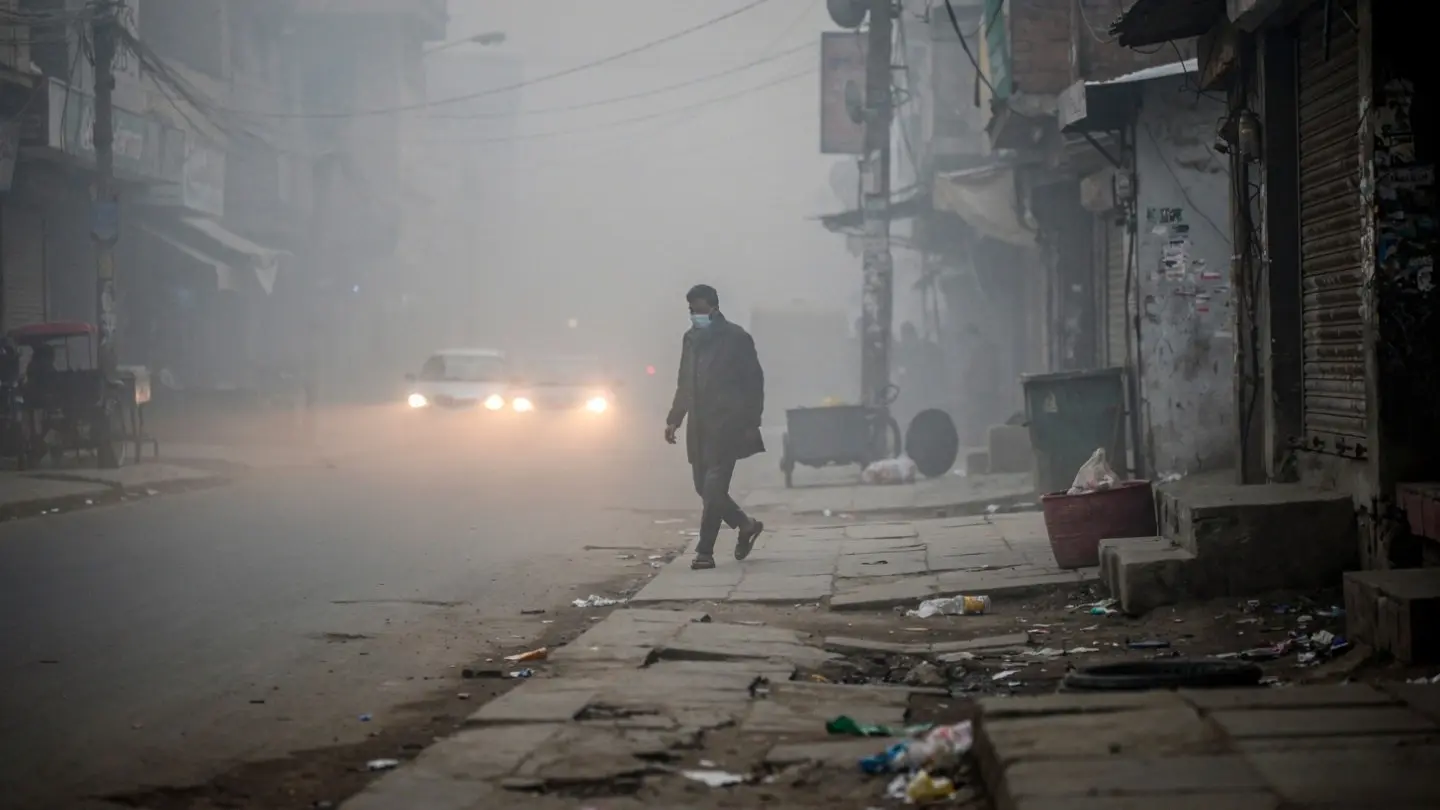
In regions like Lahore and Faisalabad, winter brings heavy smog. This is a mix of vehicle exhaust, industrial smoke, and crop burning. Breathing this polluted air forces your immune system into overdrive. Your body sends protective cells to fight the inhaled dust particles. Because your immune system is entirely distracted by the smog, it reacts too slowly when a real flu or cold virus enters your body. This delayed response allows the virus to multiply quickly.
Why Viruses Love the Cold Weather
Germs actually have a protective physical shell made of fats. During the hot Pakistani summers, this shell melts easily, destroying the virus before it can infect anyone. However, during cold winter transitions, this fatty shell hardens like butter in a fridge. This rigid shield protects the virus while it floats in the air or sits on door handles. Once you inhale the protected winter virus, your warm body melts the shell inside your throat, and the infection begins.
Step-by-Step: How a Weather Cold Starts
Here is the exact sequence of how a sudden weather change leads to illness:
- Temperature Drop —> The weather cools down quickly, reducing moisture in the air.
- Nose Dries Out —> Inhaling dry air removes protective moisture from your throat.
- Defense Fails —> Your natural mucus barrier turns thick and stops clearing away germs.
- Virus Enters —> You inhale a protected winter virus.
- Infection Spreads —> The virus multiplies in your dry throat without resistance, causing sickness.
Practical Prevention for Pakistani Homes
You cannot control the weather outside, but you can protect your indoor environment. First, track your indoor humidity. The dry winter air is your biggest enemy. If you use electric or gas heaters, place a wide bowl of water nearby to add moisture back into the room. Aim for at least 40% indoor humidity. This keeps your throat’s natural defenses active. Second, cover your nose and mouth with a scarf or mask when stepping out into the cold smog to pre-warm the air before it hits your lungs.
Nutrition and Hydration Strategies
During winter, people naturally drink less water because they do not feel hot or sweaty. This hidden dehydration worsens the dryness in your respiratory system. Drink warm fluids like green tea, yakhni (bone broth), or simple warm water throughout the day. This directly hydrates your throat and thins out mucus, making it easier for your body to trap and cough up invading winter viruses. Good hydration is your first line of internal defense against seasonal weather sickness.
The Hidden Role of Load Shedding
Frequent power outages disrupt indoor temperatures constantly. When heating or cooling systems shut off unexpectedly, your body is forced to re-adapt to sudden thermal shifts multiple times a day. This constant physical adjustment burns energy and creates mild physical stress. Your body spends its resources trying to stay comfortable, leaving less energy for your immune system to fight off daily germs.
Managing Indoor Air Quality
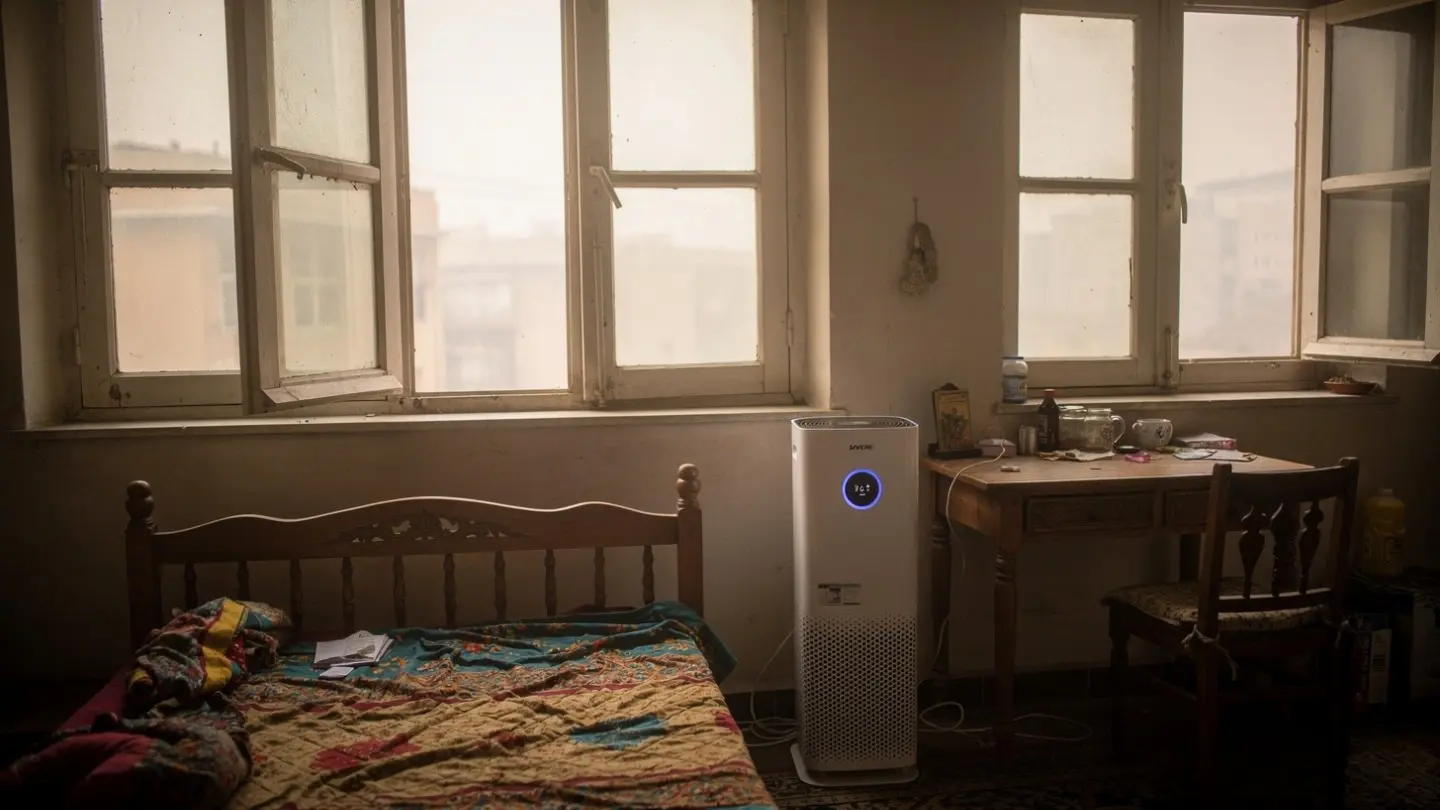
Since outdoor smog in cities like Lahore is unavoidable, your home must be a clean zone. Keep windows completely closed during peak smog hours, usually early morning and late evening. If possible, use an indoor air purifier with a HEPA filter. This removes fine dust particles from your bedroom, giving your immune system a full night to rest and recover without fighting air pollution.
When to See a Doctor in Pakistan
Most seasonal weather colds clear up with rest, warm fluids, and time. However, if a dry cough turns into deep chest pain, or if you experience a high fever lasting more than three days, seek medical help. In heavily polluted areas, what starts as a simple viral infection can quickly turn into a secondary bacterial chest infection requiring proper clinical antibiotics.
FAQs
Can going from AC to outside heat make me sick?
Moving directly from a 22°C room into 40°C outside heat shocks your body. While the temperature change itself does not contain viruses, the rapid physical stress weakens your immune response temporarily. If a virus is already present in your system, this sudden stress gives the germ a chance to multiply.
Why do gas heaters cause a sore throat?
Indoor gas heaters aggressively burn the limited moisture in your room’s air. This severely drops the indoor humidity. As you sleep, you breathe in this extremely dry air, which evaporates the protective moisture in your throat. You wake up with a painful, scratchy throat, highly vulnerable to viral infections.
Does wearing a sweater stop seasonal illness?
A warm sweater protects your core body temperature, which keeps your blood flowing normally. However, it does not protect your nose or throat from inhaling cold, dry, or smoggy air. Protecting your respiratory tract with a mask or scarf is just as important as keeping your chest warm.
Read our other blogs on female fertility, male vitality, and the best cough support syrups in Pakistan at vitahub.pk.