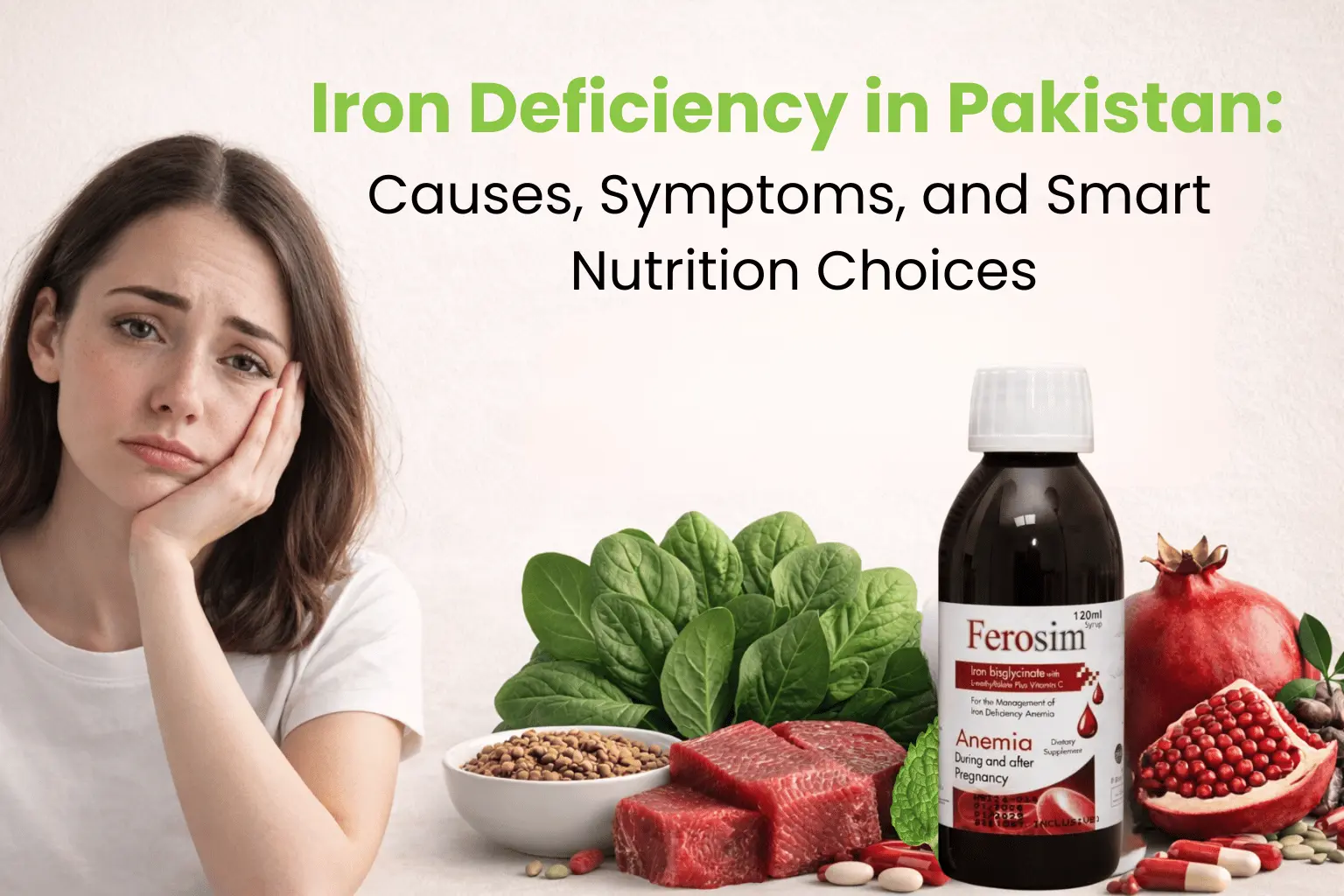
Iron Deficiency: A Silent Nutritional Issue
Iron deficiency is one of the most common nutritional concerns in Pakistan. Many people experience low energy, weakness, or poor focus without realizing that iron levels may be the reason. Due to dietary habits and lifestyle patterns, iron intake often falls below daily requirements.
At VitaHub, we aim to create awareness around everyday nutritional gaps that quietly affect long-term health.
Why Iron Matters More Than You Think
Iron supports oxygen circulation in the blood, which directly affects energy, stamina, and mental clarity. When iron intake is insufficient, the body struggles to perform even routine tasks efficiently.
Iron also plays a role in:
Without adequate iron, overall wellness slowly declines.
Dietary Habits That Lead to Low Iron Intake
In Pakistan, many meals are carb-heavy and low in nutrient diversity. Overcooking vegetables, skipping protein sources, and excessive tea consumption during meals reduce iron absorption.
Common contributors to low iron levels include:
Natural Ways to Improve Iron Intake
Iron-rich foods are widely available and affordable. Adding the right combinations can make a noticeable difference.
Helpful dietary choices include:
Pairing these foods with vitamin C sources helps the body absorb iron more efficiently.
When Iron Supplements Become Necessary
In some cases, food alone may not meet iron needs. This is where iron supplements can help bridge the gap.
Iron tablets may be useful when:
Supplements should support nutrition, not replace it.
Final Thoughts
Iron deficiency develops slowly but impacts daily life significantly. Awareness, balanced eating, and responsible supplementation can help maintain healthy iron levels.