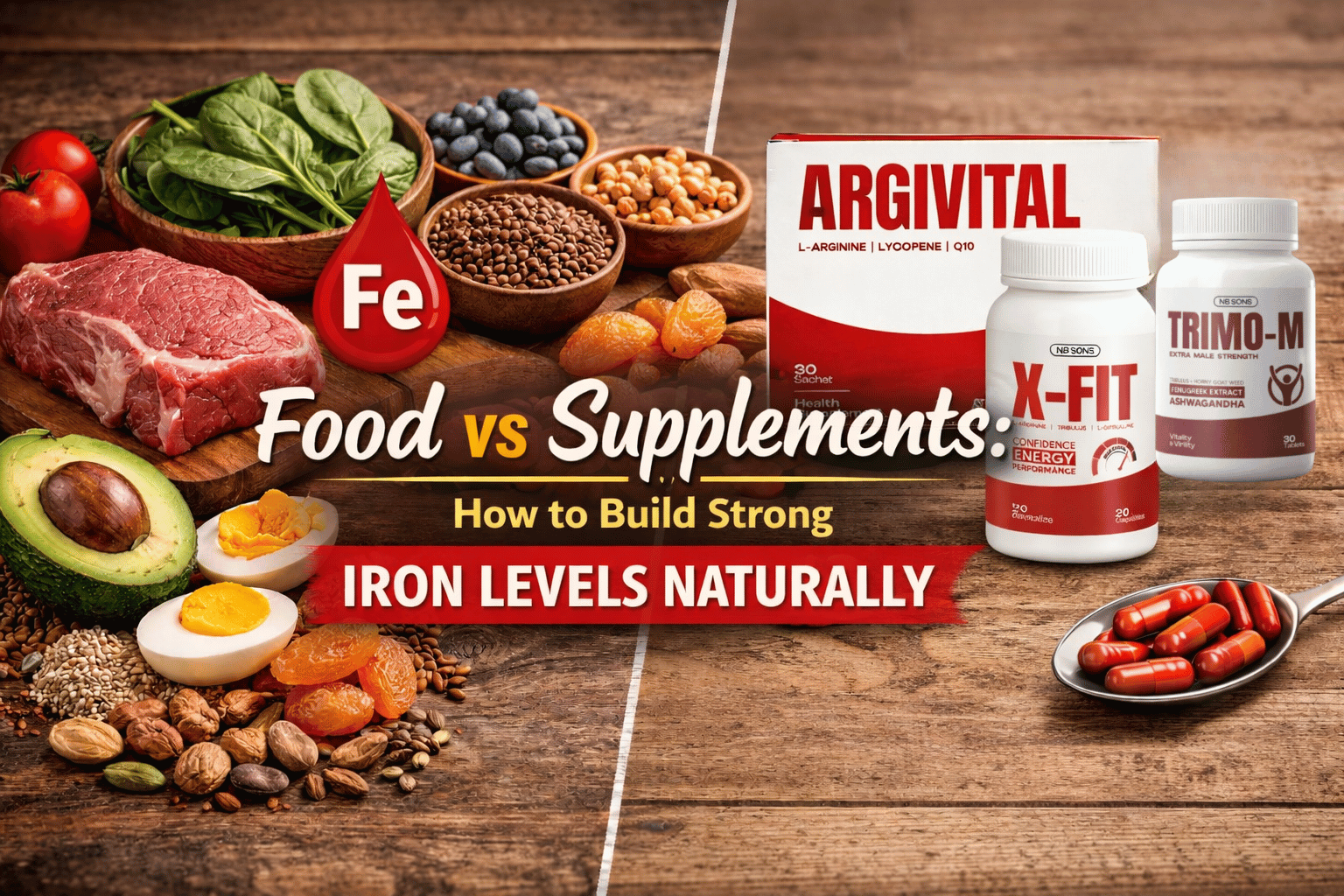
Understanding Daily Iron Requirements
Iron is a daily nutritional requirement, yet many people unknowingly fall short. Busy routines, repetitive meals, and lack of nutritional planning often result in inadequate iron intake.
Building iron levels is not about quick fixes—it’s about consistency and smart choices.
How Food Supports Long-Term Iron Balance
Natural foods provide iron in a steady, gradual manner. Unlike supplements, food also delivers additional nutrients such as fiber, antioxidants, and minerals that support overall health.
There are two types of dietary iron:
-
Animal-based iron, which absorbs easily
-
Plant-based iron, which works best with proper food pairing
Both play an important role in daily nutrition.
Common Mistakes That Reduce Iron Absorption
Even iron-rich meals may not deliver benefits if absorption is poor.
Mistakes include:
-
Drinking tea or coffee with meals
-
Skipping fruits and vegetables
-
Relying only on refined grains
Small adjustments can significantly improve iron uptake.
Role of Iron Supplements in Modern Diets
Iron supplements provide concentrated support when natural intake is insufficient. They are especially helpful in targeted situations but should not be used casually.
Some individuals may experience digestive discomfort, which is why timing and dosage matter.
Choosing the Right Approach for Your Lifestyle
For most people, improving food quality is the best starting point. Supplements can offer additional support when required, but food remains the foundation of long-term health.
At VitaHub, we encourage balanced nutrition supported by informed supplement use.
Conclusion
Strong iron levels are built through daily habits, not shortcuts. A food-first approach combined with responsible supplementation leads to better energy, immunity, and overall well-being.