

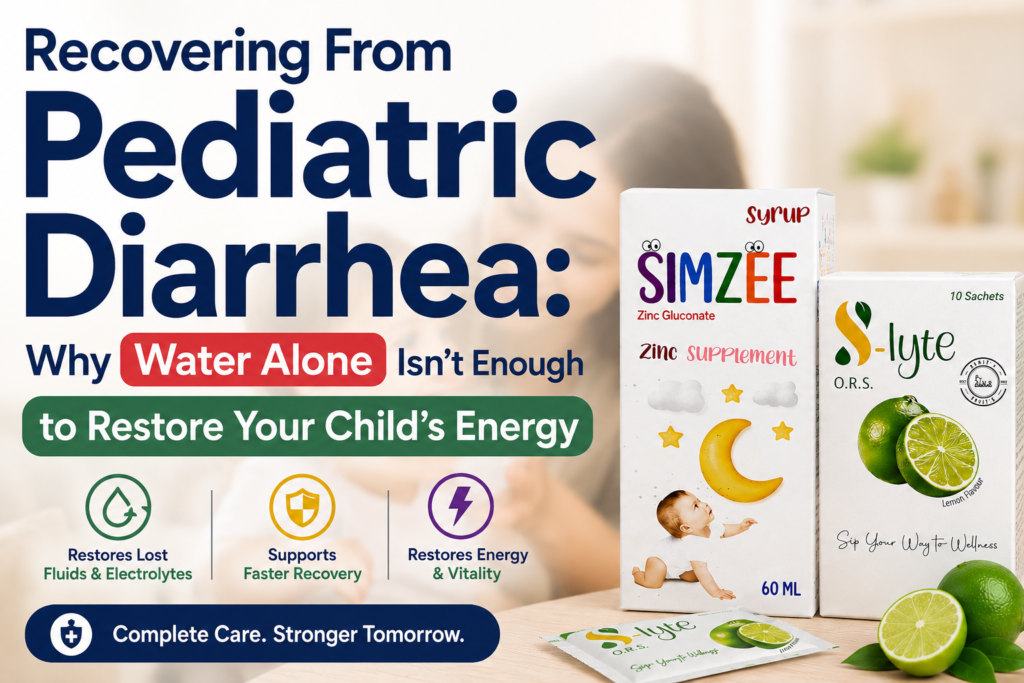
Recovering From Pediatric Diarrhea: Why Water Alone Isn’t Enough to Restore Your Child’s Energy
Watching your bright, energetic child suddenly become weak and lethargic is terrifying for any parent. When a stomach bug strikes, the frequent trips to the bathroom drain more than just their energy; they drain your peace of mind. Your immediate instinct is probably to hand them a large glass of water. It makes sense, right? They are losing fluids, so they need water.
However, in the critical phase of pediatric diarrhea recovery, plain water is simply not enough. In fact, giving your child large amounts of plain water without replacing what their body is truly losing can sometimes make them feel worse.
When children suffer from frequent stomach upsets, they are losing a complex balance of fluids, vital salts, and essential trace minerals. To get them back on their feet safely, you need a targeted approach. This guide will help you understand the biology of their recovery, how to spot the hidden signs of dehydration, and why specific support is vital for restoring their energy.
The Quick Parent Check: Spotting Dehydration Early
When dealing with pediatric diarrhea recovery, knowing the exact stage of fluid loss helps you respond correctly. Use this quick reference guide to identify your child’s current hydration status:
Hydration Status | Physical Signs to Watch For | Energy & Mood | Immediate Action Required |
Mild Fluid Loss | Slightly dry lips, normal tear production when crying, slightly darker urine. | A bit tired, but still interactive and playing. | Begin oral rehydration therapy in small, frequent sips. |
Moderate Dehydration | Very dry mouth, fewer tears, no wet diaper for 4-6 hours, sunken eyes. | Irritable, fussy, noticeably weak, resting more than usual. | Increase structured rehydration fluids and contact a pediatrician. |
Severe Dehydration | No tears, extremely dry mouth, cold hands/feet, deeply sunken eyes. | Completely exhausted, very difficult to wake up, unusually quiet. | Seek emergency medical care immediately. |
The Hidden Danger: Why Water Alone Fails
When a child experiences vomiting and diarrhea, the fluid leaving their body takes vital nutrients with it. Your child’s body operates on an electrical system powered by minerals called electrolytes—specifically sodium and potassium.
Hydration is not just about water intake; it is about the careful balance of fluids and electrolytes in the body. Electrolytes are responsible for maintaining fluid balance, enabling normal nerve and muscle functions, and enabling energy production.
If you only give your child plain water, you are diluting the few electrolytes they have left. Losing fluids during illness causes a reduction in these essential salts, resulting in weakness, dizziness, and reduced physical performance. This is why they remain completely exhausted even if they are drinking water.
Step 1: Rebuilding the Foundation with S-lyte ORS
To support true pediatric diarrhea recovery, you must replace both the water and the lost salts. This is exactly what an Oral Rehydration Solution (ORS) is designed to do.
S-lyte ORS Sachets are a scientifically balanced oral rehydration solution that aids in the rapid recovery of the body from dehydration caused by illness.
- How it Works: S-lyte combines specific amounts of electrolytes and glucose to help increase the absorption of fluids in the intestines.
- The Power of Glucose: The presence of anhydrous glucose in the formula does two vital things: it helps the body absorb the sodium and water much faster than plain water alone, and it provides a quick energy boost to help overcome intense fatigue.
- Restoring Balance: By replenishing vital salts like sodium and potassium that are depleted by dehydration, it supports the normal functioning of muscles and nerve activity.
Parenting Tip: Never force a child to drink a large amount of ORS all at once, as this can trigger a sensitive stomach to vomit. Instead, dissolve one sachet in the recommended amount of clean water and have them consume it gradually in small, frequent sips.
Step 2: The Secret to Stopping the Cycle – Why Zinc Matters
Once you have managed the immediate fluid loss, the next major hurdle in pediatric diarrhea recovery is healing the gut. Diarrhea takes a massive toll on the delicate lining of your child’s intestines. Furthermore, the illness causes children to lose essential nutrients, including zinc.
Zinc is incredibly important in a child’s development and immune response. When zinc levels drop during a stomach bug, it can lead to impaired immunity and prolonged recovery from the illness.
Healing the Gut with Simzee
To help repair the damage and get their digestive system functioning normally again, Pediatricians often recommend a temporary zinc supplement.
Simzee Zinc Syrup is specifically formulated for children to replenish lost minerals after diseases such as diarrhea .
- Intestinal Repair: The zinc gluconate in Simzee works by helping to repair the intestinal lining, which can reduce the severity of diarrhea episodes.
- Immune Support: By rebuilding the body’s immunity, it supports the healing of the digestive system and helps your child fight off lingering traces of the bug.
- Restoring Appetite: One of the hardest parts of recovery is getting your child to eat again. Zinc plays a known role in the improvement of a child’s appetite during the recovery phase.
By taking 1-2 teaspoons twice a day (or as directed by your healthcare professional), you can support their natural recovery process.
Creating a Safe Recovery Plan at Home
Effective pediatric diarrhea recovery requires patience. Alongside proper rehydration and mineral support, their diet needs to be incredibly gentle.
The Gentle Transition Diet
Once your child is successfully keeping ORS fluids down, you can slowly introduce bland, easy-to-digest foods. Focus on complex carbohydrates that won’t irritate a healing stomach.
- Bananas
- Plain white rice
- Applesauce
- Plain toast or crackers
Avoid dairy products, heavy cooking oils, and sugary fruit juices. High-sugar drinks can actually pull more water into the intestines and make the diarrhea significantly worse.
When to Call the Pediatrician
While most cases of pediatric diarrhea resolve with careful at-home support, safety always comes first. You should immediately consult a healthcare professional if you observe any of the following:
- The child has an underlying medical condition.
- Symptoms persist or worsen despite hydration efforts.
- Your child is unable to keep any fluids down for several hours.
- You see signs of severe dehydration (no tears, deeply sunken eyes, extreme lethargy).
- The diarrhea contains blood or is accompanied by a high fever.
Always remember that dietary supplements like ORS and zinc syrups are intended to support nutritional needs and recovery. They do not diagnose, treat, cure, or prevent disease, and you should always consult a healthcare professional for proper medical advice.
FAQs
Is ORS really better for dehydrated patients than water?
Yes, it is. Because electrolytes and glucose are present in ORS, they help in better absorption by the body compared to plain water, which can simply pass through or dilute existing sodium levels.
Why is zinc taken in cases of diarrhea?
Zinc works by repairing the intestinal lining and reducing the severity of the diarrhea, helping the child recover faster while boosting their weakened immune system.
Will zinc syrup help my child’s appetite?
Yes. Following an illness, children often refuse to eat. Providing zinc support helps in increasing the appetite of the child during the vital recovery phase.
When should I use ORS for my child?
Use ORS in cases of dehydration caused by diarrhea, vomiting, excessive sweating, or general weakness related to illness.
Disclaimer: This article is for informational purposes only and does not substitute professional medical advice, diagnosis, or treatment. Always seek the advice of your pediatrician with any questions you may have regarding a medical condition.
Also check out our blog :
The Everyday Habits Affecting Your Health Without You Knowing